
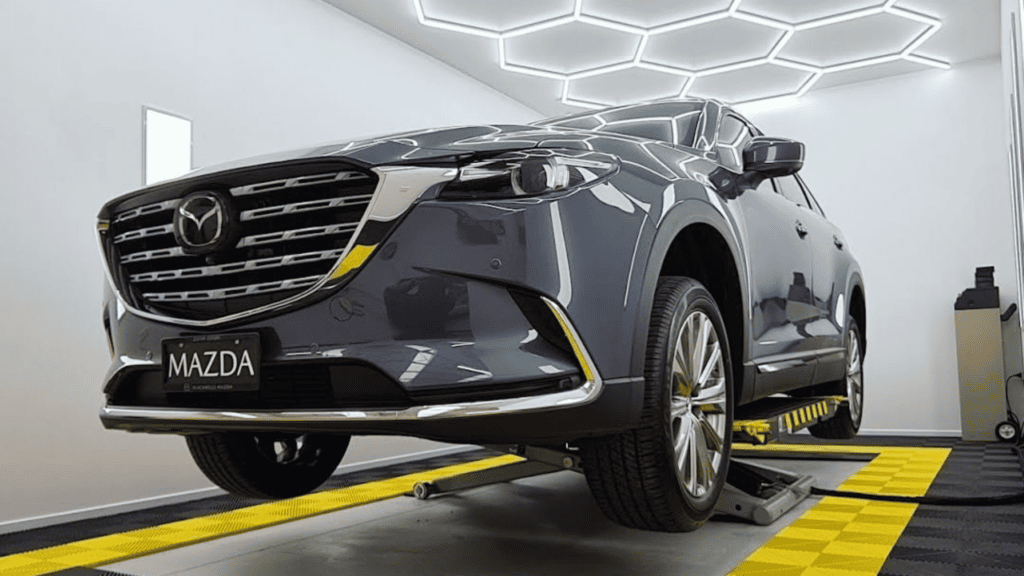
Every automotive workshop relies on equipment that performs consistently day after day.
Vehicle hoists, wheel aligners, tyre changers, wheel balancers and air compressors are the backbone of daily operations. When one of these critical assets breaks down, the immediate question is often whether to repair it or replace it.
For many business owners, repairing equipment appears to be the more affordable option. However, frequent breakdowns, lost productivity and outdated technology can make repairs more expensive than upgrading in the long run.
The better question isn’t simply whether the equipment can be repaired. It’s whether repairing it still makes financial and operational sense for your business.
In many cases, upgrading equipment before it becomes a major operational problem improves safety, increases efficiency and better prepares your business for future growth.
Repair or Replace? Understanding the Real Cost of Ageing Equipment
Repairing workshop equipment is a normal part of ownership. Hydraulic seals wear out; sensors require recalibration, and electrical components occasionally fail. A well-maintained machine can continue providing reliable service for many years with routine servicing and occasional repairs.
Many business owners focus on repair invoices, but the true cost of ageing equipment extends well beyond parts and labour. Every breakdown also creates hidden operational costs.
These costs can include lost productivity, delayed vehicle deliveries, reduced technician efficiency, rescheduled bookings, emergency call-out fees, and difficulty sourcing replacement parts.
Consider a vehicle hoist that requires multiple repairs throughout the year. Each repair may only cost a few hundred dollars, but if the hoist is unavailable for several days each time, the workshop loses valuable servicing capacity. Those missed jobs can quickly exceed the cost of replacing the equipment.
Looking at the bigger picture helps business owners make decisions based on long-term business performance rather than short-term repair costs.
H&G Workshop Pro Tip
Many workshops keep detailed maintenance records but never measure how equipment failures affect productivity.
Record every equipment breakdown, including repair costs, downtime and delayed or cancelled bookings. This provides a much clearer picture of the equipment’s true operating cost.
A repair may look affordable, but if it takes one of your busiest service bays offline for two days, the actual cost to your business could be far greater.
➤ Check out our full range of vehicle hoists, wheel aligners, wheel balancers, tyre changers, and brake testers.
7 Signs It Is Time to Upgrade Workshop Equipment
1. Repairs Are Becoming More Frequent
Every piece of equipment requires occasional maintenance, but repeated failures often indicate it is reaching the end of its economical service life.
If technicians are regularly reporting hydraulic leaks, worn components, electronic faults or recurring calibration issues, repairing the same equipment may no longer be the most cost-effective solution.
Frequent repairs also disrupt scheduling and customer service. Rather than focusing on the next repair bill, review how often the equipment has required attention over the past year. A pattern of increasing repairs is a strong indicator that replacement should be considered.
2. Repair Costs Are Approaching Replacement Costs
Not every repair justifies replacing the equipment. Replacing a hose, servicing hydraulic components or installing new sensors can often restore equipment to full working order.
However, when major components such as hydraulic power units, motors, structural assemblies or electronic control systems fail, repair costs can quickly become significant.
When repair costs continue to increase and additional failures are likely, upgrading may provide better long-term value through improved reliability, modern safety features, manufacturer warranties and reduced maintenance requirements.
3. Equipment Downtime Is Affecting Productivity
Time is one of the most valuable resources in any automotive workshop.
A vehicle hoist that is unavailable means one less technician can complete repairs. A wheel alignment system that stops working delays suspension work, while a tyre changer out of service creates bottlenecks throughout the workshop.
Downtime reduces vehicle throughput, increases customer wait times, puts pressure on technicians, and creates lost revenue opportunities.
As bookings increase, reliable equipment becomes even more important. Upgrading ageing equipment before it causes major disruption to help maintain consistent workflow and customer satisfaction.
4. Equipment No Longer Meets Modern Safety Expectations
Safety should never be compromised to extend the life of ageing equipment.
Modern equipment incorporates improved safety locks, hydraulic systems, and operator controls. Even if older equipment continues operating, it may lack many of these features.
Owners also have a responsibility to ensure workshop equipment remains safe and is serviced according to the manufacturer’s recommendations.
If equipment can no longer be maintained safely or economically, replacement becomes the responsible choice.
5. Your Workshop Has Outgrown Its Equipment
The equipment that suited your business five or ten years ago may no longer meet today’s business demands.
Perhaps your workshop now services larger SUVs and utes, has expanded into fleet servicing or wheel alignments, or is preparing for future vehicle technologies.
Ask yourself:
- Does our equipment support our current vehicle mix?
- Are we turning away work because of equipment limitations?
- Can it support future business growth?
Upgrading equipment isn’t always about replacing worn-out machinery. Sometimes it is about giving your business the capability to take on more profitable work.
6. New Technology Can Significantly Improve Efficiency
Modern workshop equipment has advanced considerably over the past decade.
Today’s wheel alignment systems deliver faster measurements and improved reporting. Modern tyre changers handle larger, low-profile tyres more safely, while newer vehicle hoists provide better access and faster lifting cycles.
Modern equipment can also reduce operator fatigue through improved ergonomics and automation, allowing technicians to work more efficiently throughout the day.
Across hundreds of jobs each year, these productivity gains can shorten service times, increase workshop capacity and improve profitability.
7. Parts and Technical Support Are Becoming Difficult to Find
One of the biggest challenges with ageing equipment is continued access to replacement parts and technical support.
Manufacturers eventually discontinue older models, making components increasingly difficult to source. Longer lead times can leave equipment out of service for extended periods.
Choosing equipment backed by ongoing local parts availability and technical support helps minimise downtime and protect your investment.
H&G Workshop Pro Tip
Upgrading isn’t the only way to maximise equipment performance. Following the manufacturer’s servicing schedule, carrying out regular inspections and addressing minor issues early can significantly extend the life of vehicle hoists, wheel alignment systems and tyre equipment.
Preventative maintenance reduces unexpected breakdowns while giving you more time to plan future equipment upgrades.
When Repairing Equipment Still Makes Sense
Upgrading is not always the right answer.
Many equipment issues can be resolved through professional servicing and preventative maintenance, particularly when the equipment is relatively new and otherwise performing well.
Repairing remains the right choice when the fault is minor, parts are readily available, repairs restore reliable performance, the equipment continues to operate safely and it still meets your workshop’s requirements.
The key is distinguishing between normal maintenance and repeated repairs that indicate declining reliability.
H&G Workshop Pro Tip
Avoid waiting until equipment fails completely before considering an upgrade.
Review your business plans over the next five to ten years. Will you service more vehicles, employ more technicians or introduce new services?
Planning equipment upgrades around future growth allows you to invest strategically instead of making rushed decisions during unexpected breakdowns.
➤ Contact us today to book your service and minimise equipment downtime.
Which Workshop Equipment Should You Consider Upgrading First?
Not all equipment delivers the same return on investment. If your budget doesn’t allow for a complete workshop upgrade, focus first on the equipment that has the greatest impact on productivity and revenue.
Vehicle hoists should be prioritised if lifting capacity no longer suits the vehicles you service, safety features are outdated or breakdowns regularly interrupt workflow.
Wheel alignment systems should be reviewed if calibration issues become common or measurement times are slowing productivity. Tyre changers and wheel balancers may need upgrading if they struggle with modern wheel designs or reduce technician efficiency.
Air compressors and workshop support systems should also be assessed when reliability affects multiple service bays or demand exceeds capacity.
H&G Workshop Pro Tip
If you can’t upgrade every piece of equipment at once, start with the assets that have the greatest impact on workshop throughput.
Vehicle hoists, wheel alignment systems and tyre equipment are used throughout the day and directly influence how many vehicles your business can complete. Investing in these high-use assets often delivers the fastest return through improved productivity and reduced downtime.
How to Make the Right Equipment Upgrade Decision
Choosing whether to repair or replace equipment should be based on careful evaluation rather than reacting to the latest breakdown.
Calculate the total cost of ownership, including repair expenses, maintenance costs, downtime and expected lifespan.
Then assess whether the equipment still supports your daily workflow, vehicle mix, available space and future business plans.
Finally, work with experienced automotive equipment specialists who can assess your workshop, recommend suitable equipment and help develop an upgrade plan that aligns with your operational goals.
Frequently Asked Questions
Is it cheaper to repair or replace workshop equipment?
Repairs usually cost less upfront, but repeated breakdowns, increasing maintenance expenses and lost productivity can make replacement the more economical long-term option.
How often should automotive workshop equipment be replaced?
There is no fixed replacement schedule. Lifespan depends on usage, maintenance history, operating conditions and technological advances. Regular performance reviews help identify when replacement becomes the better investment.
Should I replace a vehicle hoist if it still works?
Not necessarily. If the hoist remains safe, reliable and suitable for your business’s needs, repairs and preventative maintenance may be sufficient. However, frequent breakdowns or changing requirements may justify an upgrade.
What is the biggest sign that workshop equipment needs upgrading?
Frequent downtime is often the clearest indicator. When equipment regularly interrupts operations and delays customer bookings, it may be costing the business more than investing in a replacement.
Upgrade Equipment Before It Holds Your Business Back
Repairs remain an important part of equipment maintenance, but there comes a point where upgrading delivers greater long-term value.
Investing at the right time helps minimise downtime, improve technician efficiency and position your workshop for long-term growth. The best time to upgrade is often before equipment becomes your biggest bottleneck.
Not sure if your equipment needs repairing or replacing?
Talk to Hoist & Garage and we’ll help you decide what’s best for your workshop.
From vehicle hoists and wheel alignment systems to tyre equipment, servicing and complete workshop fitouts, our experienced team can help you assess your current equipment and recommend solutions that support your productivity, safety and future growth.
Give us a call at 0800 436 436 or email us at bookings@hoistandgarage.co.nz.